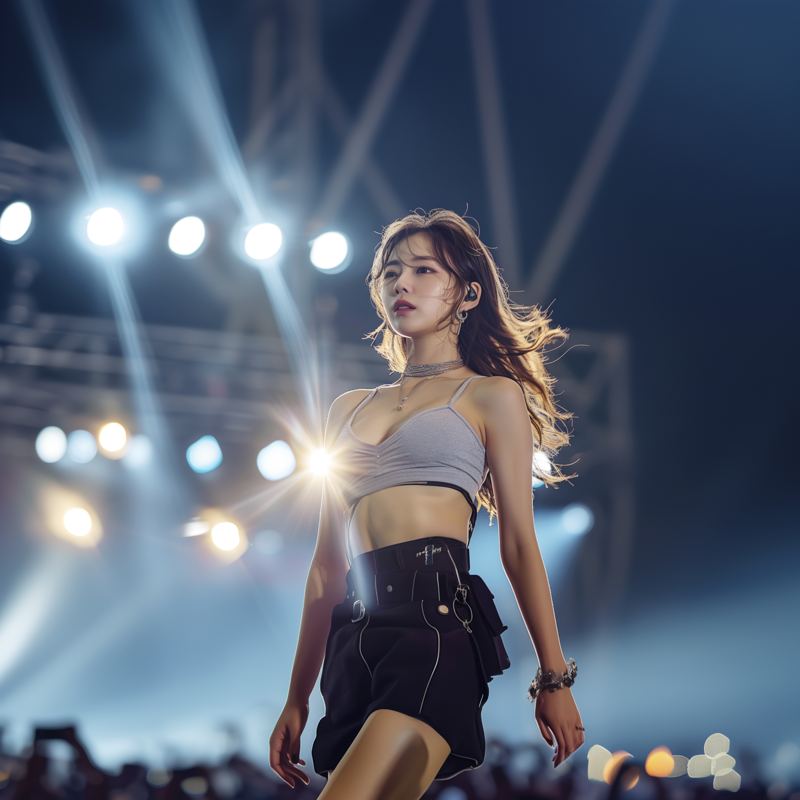
Illustrative image
Q&A
20 questionsCHECKED
Fact-checkedUPDATED
2026-11-1501Is K-pop a single genre?
K-pop is less a single genre than a broad label for Korean popular music, especially idol music. Actual songs mix many styles, including dance pop, hip-hop, R&B, EDM, ballads and rock. A genre can even change within one song. That's why K-pop is often used to describe an industry and culture as well as a sound.
02Is hip-hop common in K-pop?
Yes, many K-pop songs include rap verses and hip-hop beats. Groups often have a designated rapper position, and members sometimes write their own rap lyrics. Some groups release hip-hop-centered title tracks. Hip-hop is one of the genres most often blended into K-pop.
03What does R&B sound like in K-pop?
R&B is known for smooth rhythms and emotional vocals, and in K-pop it often appears in B-sides and solo songs. Many of these tracks showcase vocal technique and harmonies. Some title tracks blend in R&B elements too. If you like mellow songs, look for R&B-leaning album tracks.
04Is EDM used in K-pop?
Yes, EDM is frequently used in K-pop dance tracks. It features strong electronic sounds, rising build-ups and explosive drop sections. It suits stage performances because it highlights choreography. Many songs bring in EDM elements through collaborations with international producers and DJs.
05What is a K-pop ballad?
A ballad is a slow, emotional song, a style long loved in Korean popular music. Idol groups often sing ballads as B-sides or winter seasonal releases. They let you focus on the members' vocals. Ballads are also widely used in drama OSTs.
06Is trot part of K-pop?
Trot is a long-established Korean popular music genre and is usually distinguished from idol-centered K-pop. Still, some idols have sung trot songs or blended trot elements into their music. Trot competition shows have also introduced the genre to younger audiences in recent years. It's a great way to explore Korean music more broadly.
07Is there rock in K-pop?
Yes, K-pop regularly includes pop-rock and pop-punk style songs led by guitar sounds. Some groups perform as bands. Idol groups sometimes use rock arrangements at concerts as well. Korea also has an active band scene outside idol music, with many live clubs and festivals.
08Why does the mood change so often within a K-pop song?
Many K-pop songs stitch together several genres and sections for dramatic shifts. Tempo-changing bridges and dance breaks are typical examples. The structure also lets groups show off varied choreography on stage. Fans sometimes describe these as songs with genre switches.
09Is 'cheongryang' a genre?
Cheongryang is not an official music genre but a concept word meaning cool and refreshing. It's often used for songs with bright guitar or synth sounds and fast tempos. It comes up a lot with summer comebacks. Think of it as describing a song's feel rather than a genre.
10Are Latin music elements used in K-pop?
Yes, some K-pop songs use reggaeton or Latin pop rhythms. Their distinctive groove suits dancing, so they appear in dance tracks. As the Latin American fan base has grown, related collaborations have also appeared. Album introductions and song descriptions often explain the genre.
11Are there house or disco songs in K-pop?
Yes, some K-pop songs are built on house music's steady beat or retro disco. Disco sounds often appear alongside retro concepts. These songs tend to feel stylish and easy to listen to. Album descriptions often name the genre, so check them.
12How do I read genre descriptions in album introductions?
When an album comes out, agencies often publish an introduction describing each track's genre and mood. They typically mix several terms, such as 'a hip-hop-based dance track'. You can also find these in the album info on streaming services. Reading them before listening helps you understand what the song is aiming for.
13How do streaming services categorize genres?
Korean streaming services usually sort songs into genres such as ballad, dance, rap/hip-hop, R&B/soul, indie, rock/metal and trot. Most idol songs are filed under dance, but some fall into other categories depending on the track. Categories vary slightly between services. Genre charts are a handy way to discover new songs.
14What is 'easy listening' in K-pop?
In K-pop, easy listening refers to songs you can enjoy casually without much intensity. It's often used for calm, light songs, in contrast to powerful performance tracks. It's more a description of a song's character than an official genre. It's a useful term when looking for background music for everyday life.
15Is classical music used in K-pop songs?
Yes, some K-pop songs sample famous classical melodies or add orchestral sounds. This is often done to create a grand or dramatic mood. Album credits or introductions usually tell you which piece was used. It can be a gateway to enjoying both classical and pop music.
16Are there K-pop songs with traditional Korean music elements?
Yes, some K-pop songs add traditional instruments such as the taepyeongso or kkwaenggwari, or sample traditional performances. For example, Agust D's 'Daechwita' (2020) samples a daechwita royal military march performed by the National Gugak Center. This Korean flavor often draws interest from international fans. Song introductions usually mention when traditional elements are used.
17I want to explore Korean music beyond idols.
Korea has a rich music scene beyond idols, including indie, bands, hip-hop, R&B, folk and jazz. Start with genre charts or recommended playlists on streaming services. You can also hear live music at venues around Hongdae or at music festivals. Following the songwriters behind your favorite idol songs is another route.
18Have K-pop genres changed over time?
Yes, K-pop's sound has kept changing as it absorbs global music trends of each era. Hip-hop, electronic and retro sounds have each had their moments. Even a single group often shifts genres from album to album. Listening to hit songs from different eras lets you feel the changes.
19Does knowing genres help me enjoy K-pop more?
Yes, knowing genres makes it easier to find songs similar to ones you like and to listen more deeply to how a song is built. That said, you don't need to know any genres to enjoy K-pop. You'll pick them up naturally by reading descriptions of songs you like. Try the 'similar songs' features on streaming services too.
20Where can I find accurate genre information for a K-pop song?
The most accurate sources are the agency's official album introduction and the song info on streaming services. Music articles may also explain the genre through interviews with producers or artists. Fan genre labels can vary from person to person, so use official descriptions as your reference.
Compiled by the KOREA WAVE NEWS editors. Schedules, fees and rules change, so check official notices.