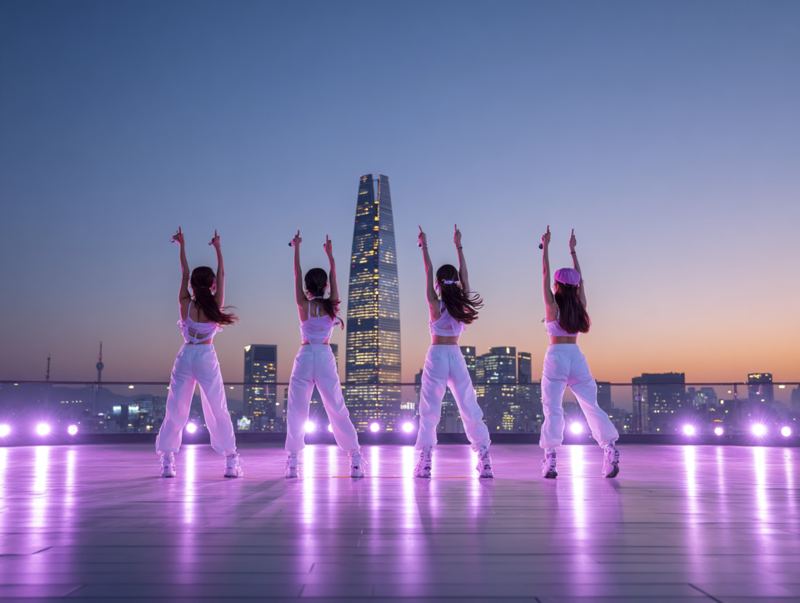
Illustrative image
Q&A
20 questionsCHECKED
Fact-checkedUPDATED
2026-11-1501Can I take a K-pop dance class in Seoul as a tourist?
Yes. Seoul has plenty of one-day K-pop dance classes that travelers can join for a single session. You can find dance studios and classes in areas such as Hongdae, Gangnam and Seongsu, and some programs are designed specifically for international visitors. Schedules and songs vary by studio, so booking ahead is recommended.
02Can complete beginners take K-pop dance classes?
Yes. Many studios run separate beginner or entry-level classes. These break the choreography into small pieces and repeat them slowly, so you can keep up even with no experience. Check the difficulty level when booking, and if it is your first time, pick an easier song or a shorter section.
03Can I follow a dance class if I don't speak Korean?
Usually, yes. Dance classes are taught mainly by demonstration, so you can follow the instructor's movements without understanding every word. Some classes aimed at foreigners are taught in English or offer English guidance. Whether an interpreter is provided and which language is used varies by studio and program, so confirm it when you book.
04What should I wear to a K-pop dance class?
Wear comfortable clothes you can move in and bring clean indoor sneakers. Many studios do not allow outdoor shoes on the dance floor to protect it, so a separate pair for inside is a good idea. You will sweat, so bring water and a towel too.
05How do I book a K-pop dance class?
Most studios post their class schedules on their official websites or social media accounts, where you can book. Experience classes for international travelers can also be found on travel booking platforms. Classes with popular instructors fill up quickly, so check as soon as your travel dates are set.
06Which K-pop dance studios are well known?
Some studios are famous internationally through their YouTube videos, such as 1MILLION Dance Studio in Seongsu-dong. Hongdae and Gangnam also have many academies and studios that teach K-pop choreography. Locations and class formats can change, so check each studio's official channels for current information.
07What happens in a typical K-pop dance class?
Classes usually start with stretching and a warm-up, then teach the choreography a few counts at a time. Once the pieces feel familiar, you dance them together with the music. Many classes end with a couple of full run-throughs and a group video. Length and pace depend on the studio and instructor.
08Can I film my dance class?
It depends on the studio. Some film a video for you at the end of class, while others ban personal recording during lessons. Always follow the posted rules, and if other students appear in your footage, get their consent before posting it on social media.
09Can I rent a practice room to dance on my own?
Yes. Many places in Seoul rent dance practice rooms with mirrors and sound systems by the hour. They are especially common around Hongdae and Gangnam, and most are booked online. Check the capacity, noise rules and shoe policy before you go.
10How can I practice K-pop dance at home before my trip?
Official dance practice videos released by groups, along with mirrored versions, make choreography much easier to follow. Slow the playback speed to learn one section at a time, and film yourself on your phone to compare. Arriving with some basics means you will get more out of a class in Korea.
11Can children take K-pop dance classes?
Yes. Some academies and studios run K-pop dance classes for children and teens. Adult one-day classes may have age limits, so check before booking. Some places also offer family experience programs where parents and children can join together. Ask the studio which songs are used, since kids classes usually pick age-appropriate tracks.
12What is a random play dance?
In a random play dance, short highlights from different K-pop songs play in random order, and anyone who knows the choreography jumps in to dance. They are held on streets such as in Hongdae and at fan events, and they are popular overseas too. It is an easy way for fans who have just met to have fun together.
13Can I do dance busking in Hongdae myself?
There are areas around Hongdae where busking takes place, but rules apply to noise, hours and location. Check guidance from the local district office, and avoid blocking foot traffic or playing music too loudly. Sharing space considerately with other performers is also expected.
14Are audition-prep dance academies trustworthy?
Korea has many academies with audition-prep classes, and some genuinely share agency audition opportunities. Be cautious, though, of any place that promises a debut or guaranteed agency acceptance in exchange for large fees. Read the contract and refund policy carefully before signing up.
15Do I need a visa to study dance in Korea long term?
Visa-free entry or a tourist stay may not be suitable for taking classes over a long period. For extended study, find out whether the school can support a visa and which status of stay you would need. Visa rules can change, so check with Korea Immigration Service or the Korean embassy.
16What is point choreography?
Point choreography is the signature move that stands out most in a song and sticks in people's memory. It usually appears in the chorus and is often designed to be easy to copy, so fans and the general public can join in. If you are new to K-pop dance, learning the point move first is a great start.
17What is a K-pop dance challenge?
A dance challenge is a trend where artists and fans perform a short section of a new song's choreography and post it as a short-form video. Challenge clips featuring artists dancing together often go viral. Because they are only around 15 to 30 seconds long, they are also great practice for beginners.
18Can I learn a whole song in a one-day class?
Usually not. One-day classes typically focus on a key section such as the chorus rather than the full song. The goal is to learn a short part well and record it at the end. If you want to learn the complete choreography, look for regular classes split over several sessions.
19How can I avoid injury when learning K-pop dance?
Warm up thoroughly before class, and take moves that strain your knees and wrists at your own pace instead of forcing them. Wear non-slip indoor shoes and drink water often. If you feel pain, stop immediately and let the instructor know.
20What Korean words will I hear in a K-pop dance class?
Dongseon means the movement paths and formations on stage, kalgunmu means perfectly synchronized group choreography, and center is the middle position. Instructors often count beats with hana, dul, set, net, sometimes mixed with English five, six, seven, eight. Knowing these terms makes a class much easier to follow.
Compiled by the KOREA WAVE NEWS editors. Schedules, fees and rules change, so check official notices.